Brazilian Butt


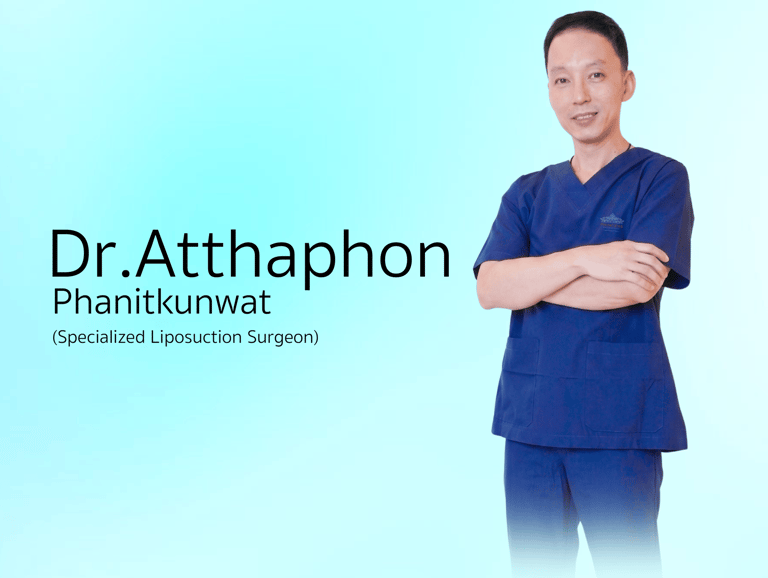
DrAtthaphon. Phanitkunwat, M.D. (Dr.JUNG)
Specialized Liposuction Surgeon
A highly specialized plastic surgeon with extensive expertise in liposuction and body contouring, Dr.Atthaphon. Phanitkunwat has successfully transformed and sculpted the figures of more than 10,000 patients throughout his distinguished career.
He currently serves as a Medical Instructor at the Body Design Center of a leading Plastic Surgery Hospital and is a valued member of a team of expert physicians dedicated to delivering exceptional aesthetic outcomes through advanced surgical techniques and personalized patient care.
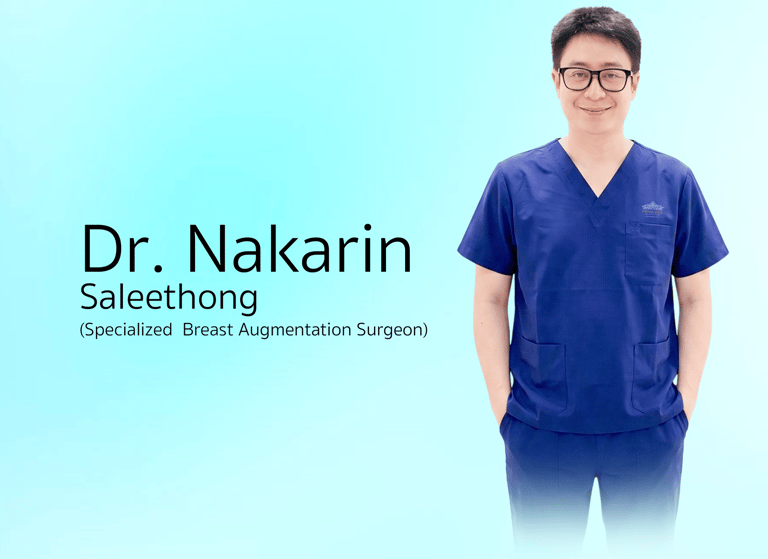
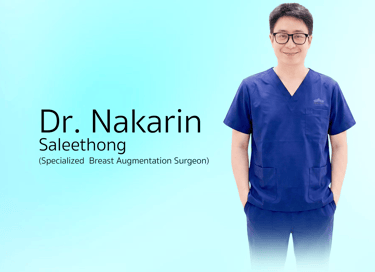
Dr. Nakarin Saleethong (Dr. Pang)
M.D. | Board-Certified Plastic and Reconstructive Surgeon
Board-Certified General Surgeon
Renowned for his expertise in aesthetic and reconstructive surgery, Dr. Nakarin Saleethong is committed to achieving exceptional surgical outcomes through precision, artistry, and advanced medical innovation. With specialized training and board certifications in both Plastic and Reconstructive Surgery and General Surgery, he provides comprehensive aesthetic solutions designed to enhance natural beauty while maintaining the highest standards of patient safety.
His dedication to excellence and individualized care has earned the trust of patients seeking refined, natural-looking, and long-lasting aesthetic results.
What Is a Tummy Tuck?
A Tummy Tuck, also known as Abdominoplasty, is a cosmetic surgical procedure designed to improve the appearance of the abdomen by removing excess skin and fat while tightening weakened abdominal muscles. This procedure is particularly beneficial for individuals who have experienced significant weight loss or pregnancy, which can result in loose, sagging skin and stretched abdominal tissues.
A tummy tuck helps restore a smoother, firmer, and more contoured abdominal profile, enhancing both body confidence and overall appearance. By eliminating excess skin and improving abdominal firmness, patients can achieve a more toned and youthful-looking midsection.
Types of Tummy Tuck Procedures
There are several types of tummy tuck procedures available, depending on the extent of correction required and the patient's individual concerns.
Full Tummy Tuck
A Full Tummy Tuck addresses both the upper and lower abdominal areas. This procedure is ideal for individuals with significant skin laxity, excess fat, and weakened abdominal muscles. It provides comprehensive abdominal contouring and creates a firmer, flatter, and more toned appearance.
Mini Tummy Tuck
A Mini Tummy Tuck is designed for patients with mild to moderate skin laxity and excess fat limited to the lower abdomen, below the belly button. This less extensive procedure typically involves a smaller incision and a shorter recovery period while effectively improving lower abdominal contours.
Extended Tummy Tuck
An Extended Tummy Tuck targets not only the abdomen but also the flanks and sides of the waist. It is particularly suitable for individuals who have experienced massive weight loss and have excess skin and fat distributed across a larger area. This procedure helps achieve a more comprehensive body contour and a smoother silhouette.


Who Is a Good Candidate for a Tummy Tuck?
A tummy tuck may be an ideal option for individuals who are looking to improve the appearance of their abdomen and address concerns that cannot be corrected through diet and exercise alone.
You may be a suitable candidate for a tummy tuck if you:
Have loose, sagging abdominal skin resulting from pregnancy, aging, or significant weight loss.
Have excess fat deposits in the abdominal area that affect your body contour.
Experience weakened or separated abdominal muscles (diastasis recti), often caused by pregnancy or substantial weight fluctuations.
Are in good overall health and maintain a stable body weight.
Do not smoke or are willing to stop smoking before and after surgery as recommended by your surgeon.
Have realistic expectations regarding the results of the procedure.
A tummy tuck is particularly beneficial for individuals who have achieved their desired weight but continue to struggle with excess skin and loss of abdominal firmness. The procedure can help create a flatter, firmer, and more contoured abdominal profile while enhancing overall body confidence.


Benefits of a Tummy Tuck
A tummy tuck offers several aesthetic and functional benefits, making it one of the most popular body contouring procedures for individuals seeking a firmer and more sculpted abdomen.
Improved Body Contour and Self-Confidence
A tummy tuck removes excess skin and fat while creating a smoother, firmer abdominal profile. This enhanced body contour can significantly improve self-confidence and help patients feel more comfortable in their appearance.
Enhanced Overall Health
Removing excess abdominal fat and tissue may contribute to a healthier lifestyle and can support long-term weight management efforts. Maintaining a healthy body weight may help reduce the risk of obesity-related health conditions, including diabetes, heart disease, and high blood pressure.
Restoration of Abdominal Muscle Strength
During the procedure, weakened or separated abdominal muscles can be repaired and tightened. This helps restore abdominal strength, improve core stability, and create a more balanced and toned midsection.
Is a Tummy Tuck Painful?
A Tummy Tuck, also known as Abdominoplasty, is a major surgical procedure that requires a recovery period. One of the most common concerns among prospective patients is the level of pain associated with the surgery. Understanding what to expect throughout the recovery process can help patients prepare and recover more comfortably.
Pain Levels During Each Stage of a Tummy Tuck
During the Procedure
The surgery is performed under general anesthesia or, in some cases, local anesthesia with sedation. As a result, patients do not experience pain during the procedure itself.
Immediately After Surgery
Once the anesthesia wears off, patients may experience discomfort, tightness, swelling, and pain around the surgical area. Pain is typically most noticeable during the first 1–3 days following surgery. Prescription pain medications are usually provided to help manage these symptoms.
During the Recovery Period
Pain and discomfort gradually decrease over the first one to two weeks. However, swelling, tightness, and tenderness may persist. Certain movements, such as standing up, sitting down, or stretching, may temporarily increase discomfort during the healing process.
How to Manage Pain After a Tummy Tuck
Take Prescribed Pain Medication
Your surgeon will prescribe appropriate pain medications to help control discomfort during the early stages of recovery. It is important to follow all medication instructions carefully.
Apply Cold Compresses
Cold compresses can help reduce swelling and provide temporary relief from discomfort. Always follow your surgeon’s recommendations regarding the proper use of cold therapy.
Get Adequate Rest
Rest is essential for proper healing. Patients should avoid strenuous activities and allow the body sufficient time to recover.
Engage in Gentle Movement
Light activities, such as short walks around the house, can help improve circulation, reduce stiffness, and lower the risk of blood clots during recovery.
Wear a Compression Garment
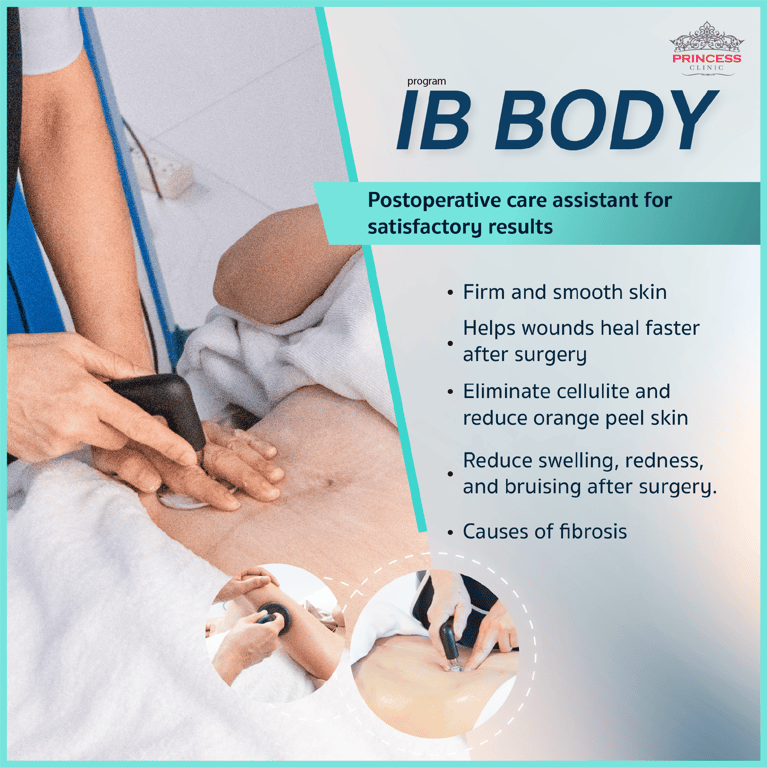
Wearing a compression garment as instructed can help minimize swelling, support the healing tissues, reduce discomfort, and improve overall recovery outcomes.
Recovery Timeline After a Tummy Tuck
First Week
Patients generally experience the highest level of discomfort during the first week after surgery. Adequate rest and proper pain management are essential during this period.
Weeks Two to Four
Pain and swelling continue to improve. Most patients can gradually return to light daily activities, although heavy lifting and strenuous exercise should still be avoided.
One Month and Beyond
By one month after surgery, most swelling and discomfort have significantly decreased. Patients can typically resume many normal daily activities; however, complete healing and final results may take several months to fully develop.


Preparing for a Tummy Tuck
Medical Consultation and Health Assessment
A Tummy Tuck (Abdominoplasty) is a surgical procedure designed to remove excess abdominal fat and loose, sagging skin while creating a flatter and more toned abdominal contour. It is particularly beneficial for individuals who struggle with excess lower abdominal fullness, stretched skin after pregnancy, or significant weight loss.
Before undergoing a tummy tuck procedure, it is essential to consult with a board-certified plastic surgeon to gain a clear understanding of the surgical process, expected outcomes, recovery period, and potential risks.
Why Is a Medical Consultation Important?
Comprehensive Health Evaluation
Your surgeon will perform a thorough physical examination to assess your overall health, medical history, and suitability for surgery. This evaluation helps ensure that the procedure can be performed safely and effectively.
Understanding the Surgical Procedure
During the consultation, your surgeon will explain the details of the procedure, including the surgical techniques used, incision placement, anesthesia options, and the expected recovery timeline.
Setting Realistic Expectations
Your surgeon will discuss the results you can realistically expect and explain the factors that may influence your final outcome, such as skin quality, body weight, and healing capacity.
Understanding Potential Risks
As with any surgical procedure, a tummy tuck carries certain risks. Your surgeon will explain possible complications, including infection, bleeding, scarring, delayed wound healing, and other surgical risks, allowing you to make an informed decision.
Surgical Planning
Before surgery, your surgeon will carefully evaluate:
The amount of excess abdominal fat.
The degree of skin laxity and sagging.
The condition of the abdominal muscles.
The most appropriate incision placement and surgical technique.
A personalized surgical plan will then be developed to achieve the best possible outcome based on your individual anatomy and aesthetic goals.
Physical Preparation Before a Tummy Tuck
Consult Your Surgeon Thoroughly
Provide your surgeon with complete information regarding your medical history, current medications, dietary supplements, allergies, and any pre-existing health conditions. This information is essential for creating a safe and effective treatment plan.
Complete Recommended Medical Tests
Your surgeon may recommend blood tests, cardiac evaluations, or other medical examinations to assess your overall health and readiness for surgery.
Stop Smoking
Smoking and nicotine products can significantly impair blood circulation and delay the healing process. Patients are generally advised to stop smoking several weeks before and after surgery.
Avoid Alcohol Consumption
Alcohol may interfere with blood clotting and increase the risk of surgical complications. It is recommended to avoid alcoholic beverages as instructed by your surgeon prior to the procedure.
Mental and Emotional Preparation Before Surgery
Educate Yourself About the Procedure
Learning about the surgical process, recovery period, aftercare instructions, and expected results can help reduce anxiety and improve confidence before surgery.
Speak With Former Patients
Talking with individuals who have previously undergone a tummy tuck can provide valuable insights and help you better understand the recovery journey and expected outcomes.
Seek Professional Emotional Support If Needed
If you feel particularly anxious or stressed about the procedure, speaking with a mental health professional can help you manage emotions and prepare mentally for surgery and recovery.
Final Thoughts
Proper preparation is one of the most important factors in achieving a successful tummy tuck outcome. By following your surgeon’s recommendations, maintaining good physical health, and preparing mentally for the recovery process, you can help ensure a smoother surgical experience and achieve optimal results.
AFTER CARE


Location
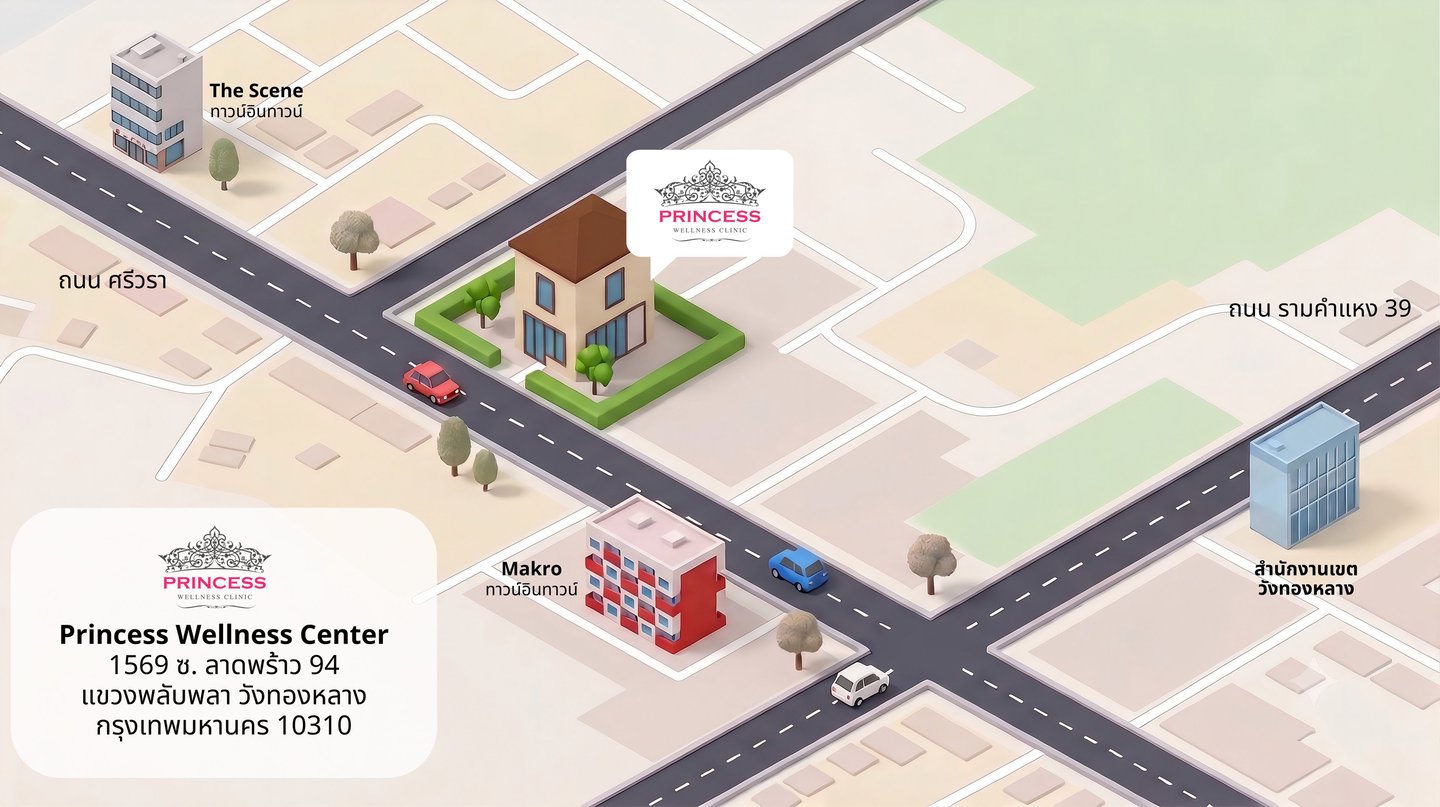
1569 Soi Lat Phrao 94,
Plab Phla Subdistrict, Wang Thonglang, Bangkok 10310
Hours
Mon – Fri : 08:00 AM - 07:00 PM
Sat : 08:00 AM - 07:00 PM
Sunday : 08:00 AM - 07:00 PM PM
Contacts
02-934-4713 , 090-970-5316