

What Is Botox? Benefits, Injection Areas, Brand Differences, Preparation, and Aftercare
Botox, also known as botulinum toxin, is an injectable treatment that temporarily reduces muscle activity in the targeted area. By limiting muscle contraction, Botox can soften dynamic wrinkles caused by facial expressions, such as forehead lines, frown lines, and crow’s feet.
In addition to wrinkle reduction, botulinum toxin may be used in other areas to reduce excessive muscle activity, including the jaw muscles, neck muscles, and sweat glands. The appropriate injection sites and dosage vary from person to person and should always be determined by a qualified medical professional.
Important: Botox is a prescription injectable medication that should be administered by a qualified medical professional. It is not a dermal filler and does not add volume to the face. Its primary function is to temporarily reduce muscle activity.
What Can Botox Help With?
Botox may be used for both aesthetic purposes and the treatment of certain medical conditions. Results depend on the injection area, individual muscle strength, treatment technique, and dosage.
1. Reducing Facial Wrinkles
One of the most popular uses of Botox is reducing dynamic wrinkles caused by facial expressions and muscle movement, including:
Frown lines between the eyebrows
Forehead lines
Crow’s feet around the outer corners of the eyes
Other wrinkles caused by repeated muscle activity
Botox temporarily relaxes the targeted muscles, helping expression-related wrinkles appear softer and the skin look smoother.
2. Facial Contouring
Botox may be injected into the masseter muscles, or jaw muscles, for individuals whose lower face appears wider due to prominent muscle development. As the muscles gradually decrease in size, the lower face may appear slimmer.
However, Botox is not suitable for everyone seeking a slimmer face. Facial width may also be caused by bone structure, fat, or other factors. If the underlying cause is not muscle-related, masseter Botox may not produce the expected result. A medical assessment is therefore recommended before treatment.
3. Reducing Excessive Sweating
Botulinum toxin may help reduce the activity of sweat glands in certain areas, such as the underarms. It may be suitable for individuals who experience excessive sweating in the treated area.
4. Treating the Neck and Other Muscle Groups
In some cases, a doctor may consider injecting the neck or other muscle groups to help reduce muscle tension or modify muscle activity. These treatments require detailed anatomical knowledge and considerable clinical experience.


Where Can Botox Be Injected?
Injection sites should be selected according to the patient’s concerns, facial anatomy, muscle activity, and treatment goals. Not everyone requires treatment in the same areas.
Treatment AreaPotential Benefit
Forehead : Softens horizontal lines caused by raising the eyebrows
Between the eyebrows. : Reduces frown lines and creates a more relaxed appearance
Crow’s feet. : Softens wrinkles at the outer corners of the eyes
Masseter muscles. : Reduces the size of prominent jaw muscles
Nose area. : May reduce the activity of certain muscles around the nose in selected cases
Neck : May help manage neck muscle activity in selected cases
Underarms : Helps reduce excessive sweating
Calves : May reduce muscle activity in selected cases following individual assessment


Note: Injection into areas beyond the approved indications in a particular country may be considered off-label use. A qualified doctor should assess whether the treatment is appropriate and explain its potential benefits and risks before proceeding.
1. Botox Allergan
Botox, also known as onabotulinumtoxinA, is a botulinum toxin product with a long history of medical and aesthetic use. Botox Cosmetic is indicated for certain facial wrinkles according to the product’s approved labeling.
Commonly recognized features
Extensive clinical experience and published data
Widely recognized internationally
Approved for a range of aesthetic and medical indications, depending on the country


2. Xeomin
Xeomin contains incobotulinumtoxinA, another type A botulinum toxin. Although it works through a similar mechanism to Botox, its formulation and manufacturing process are different.
Xeomin is approved for certain upper-face wrinkles in adults, including frown lines, forehead lines, and crow’s feet, depending on the applicable regulatory approval.
An important point is that Xeomin units should not be directly converted to Botox units or the units of other botulinum toxin products on a one-to-one basis. Each product uses its own biological potency testing method, and dosing should be determined by a qualified doctor.


3. Nabota
Nabota is a type A botulinum toxin product manufactured in South Korea by Daewoong Pharmaceutical.
Depending on the country, Nabota may be approved for the improvement of certain facial wrinkles, including frown lines and crow’s feet, as well as other medical indications.
As with other botulinum toxin products, the decision to use Nabota should be based on the patient’s needs, the product’s approval status in that country, and the doctor’s experience with the product.
Which Is Better: Botox, Xeomin, or Nabota?
There is no single brand that is best for everyone.
Each botulinum toxin product has its own characteristics, and the units of different brands should not be compared directly on a one-to-one basis. Product selection should take into account:
The treatment area
The patient’s concerns and goals
Individual muscle activity and anatomy
The doctor’s experience
The product’s approval status in the country where treatment is performed
The brand is important, but so are product authenticity, proper storage, correct handling, and treatment by a licensed medical professional with detailed knowledge of facial anatomy.


How to Prepare for Botox Treatment
Before treatment, inform your doctor about your medical history, current medications, supplements, allergies, previous cosmetic procedures, and any previous botulinum toxin treatments.
What Should You Do Before Treatment?
1. Inform Your Doctor About Your Medications
Tell your doctor about any medications or supplements that may increase the risk of bruising or bleeding, as well as medications that may affect the nervous system or muscle function.
Do not stop prescribed medication on your own. Always consult your doctor before making any changes.
2. Discuss Allergies and Medical Conditions
Inform your doctor if you have previously experienced an allergic reaction to botulinum toxin or have a condition affecting the muscles or nervous system.
3. Inform Your Doctor If You Are Pregnant or Breastfeeding
Botulinum toxin treatment for cosmetic purposes during pregnancy or breastfeeding should not be decided without medical advice. Discuss your situation with a qualified doctor to determine whether treatment is appropriate.
4. Avoid Alcohol Before Treatment
Avoiding alcohol before treatment may help reduce the likelihood of bruising in some individuals. It is also advisable to get adequate rest before your appointment.
5. Avoid Irritating Skin Treatments
If you have a wound, rash, inflammation, or infection in the area to be treated, inform your doctor before the procedure. Treatment may need to be postponed until the skin has healed.
How to Care for Yourself After Botox
Most patients can return to their normal daily activities after Botox. However, always follow the specific instructions provided by your treating doctor.
What You Should Do
Resume normal facial movements and daily activities unless your doctor advises otherwise.
Keep the injection area clean.
Monitor mild redness or swelling around the injection sites.
Follow any additional instructions provided by your doctor, especially when treatment has been performed in areas with specific risks.
What You Should Avoid
Avoid vigorously rubbing, pressing, or massaging the treated area.
Avoid activities that your doctor recommends postponing during the initial recovery period.
Avoid other procedures in the same area until your doctor confirms that they are appropriate.
Do not purchase or receive Botox injections from unverified sources.
Is Botox Safe?
When an approved product is used correctly and administered by a qualified medical professional, the risk of complications can be reduced. However, Botox is still a prescription medication and may cause side effects.
Common side effects may include:
Pain or tenderness at the injection site
Redness or swelling
Bruising
Headache
Temporary weakness in nearby muscles
Drooping eyelids or eyebrows in some cases
Rare but potentially serious complications may include difficulty swallowing, difficulty breathing, or muscle weakness affecting areas beyond the injection site. This is why treatment should be performed by a qualified medical professional using a product from a reliable and verifiable source.
If you experience difficulty swallowing, difficulty breathing, unusual muscle weakness, or any severe or concerning symptoms after treatment, seek medical attention immediately.
How to Choose Botox Safely
In addition to choosing a brand, the most important considerations are product safety and the qualifications of the injector.
Before treatment, check that:
✓ The treatment is performed by a licensed medical professional
✓ The product has a clear and verifiable source
✓ The product is approved for use in the country where treatment is performed
✓ The product name, batch number, and expiration date can be verified
✓ The doctor assesses your facial structure and muscle activity before treatment
✓ The doctor explains the potential benefits, limitations, and risks
These points are important because unauthorized or counterfeit botulinum toxin products may have problems related to quality, storage, handling, and safety.
Conclusion: Which Botox Should You Choose?
Botox is not used only to reduce wrinkles. It may also help manage muscle activity in several areas for both aesthetic and medical purposes.
Botox Allergan, Xeomin, and Nabota are all type A botulinum toxin products, but they differ in formulation, manufacturing process, approved indications, and pharmacological characteristics. They should not be judged simply by which brand is “stronger,” and their units should not be compared directly.
A successful and natural-looking result depends on more than the brand. It also depends on an accurate assessment, appropriate dosage and injection sites, the doctor’s technique, and the use of a genuine, properly stored product.
If you are considering Botox, consult a qualified doctor to determine whether your concern is caused by muscle activity or another factor. Choosing a treatment that matches your facial structure and individual needs can help achieve a natural-looking result while reducing the risk of inappropriate treatment.
Location
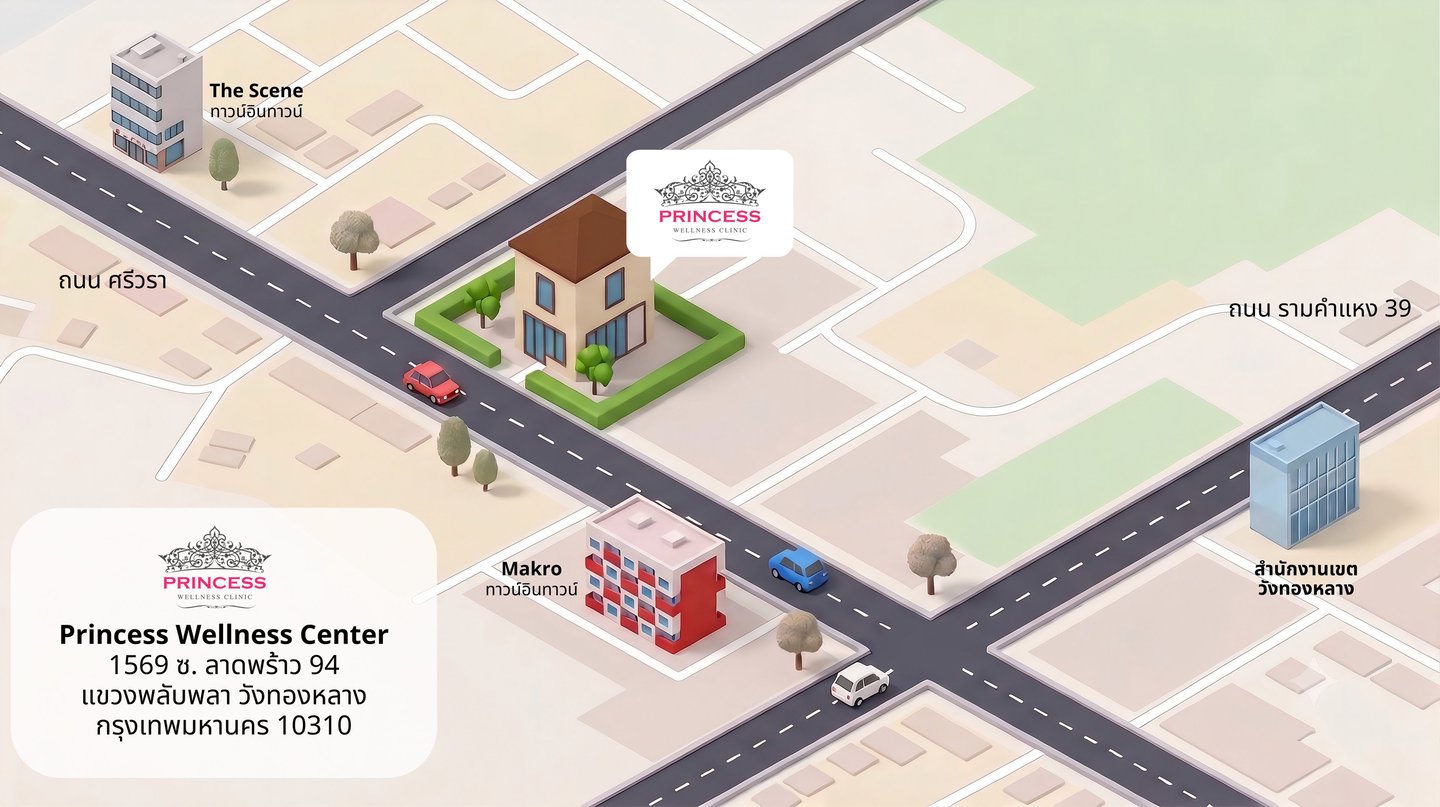
1569 Soi Lat Phrao 94,
Plab Phla Subdistrict, Wang Thonglang, Bangkok 10310
Hours
Mon – Fri : 08:00 AM - 07:00 PM
Sat : 08:00 AM - 07:00 PM
Sunday : 08:00 AM - 07:00 PM PM
Contacts
02-934-4713 , 090-970-5316