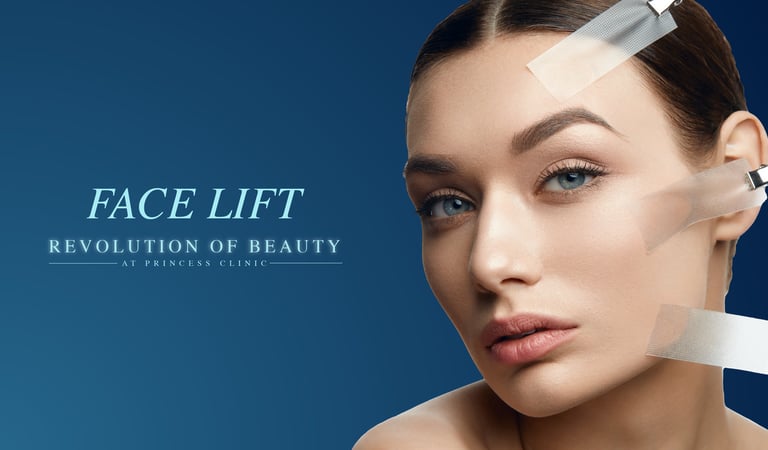
Face Lift
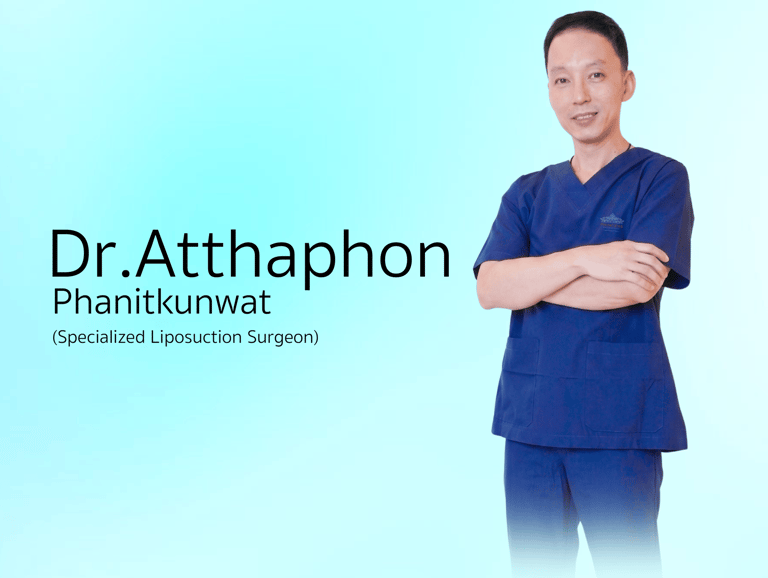
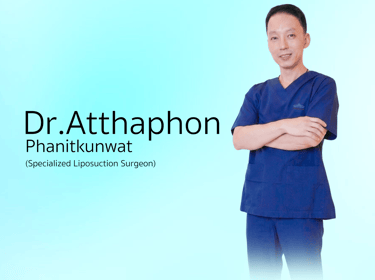
DrAtthaphon. Phanitkunwat, M.D. (Dr.JUNG)
Specialized Liposuction Surgeon
A highly specialized plastic surgeon with extensive expertise in liposuction and body contouring, Dr.Atthaphon. Phanitkunwat has successfully transformed and sculpted the figures of more than 10,000 patients throughout his distinguished career.
He currently serves as a Medical Instructor at the Body Design Center of a leading Plastic Surgery Hospital and is a valued member of a team of expert physicians dedicated to delivering exceptional aesthetic outcomes through advanced surgical techniques and personalized patient care.
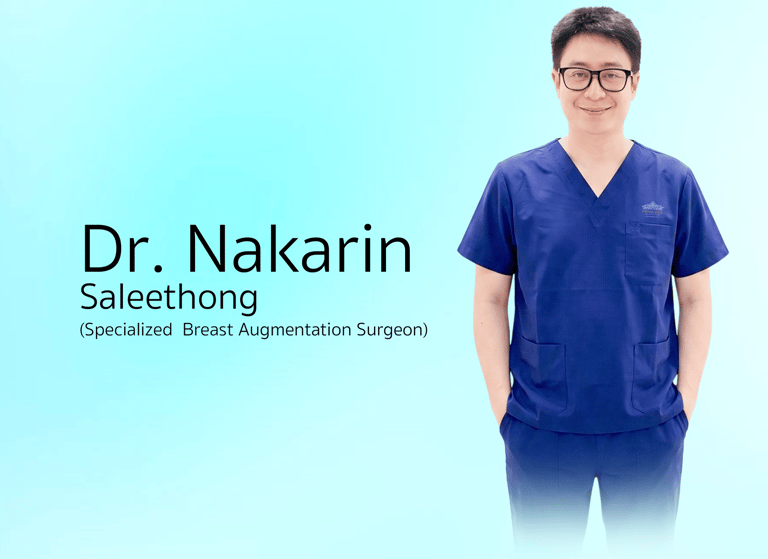
Dr. Nakarin Saleethong (Dr. Pang)
M.D. | Board-Certified Plastic and Reconstructive Surgeon
Board-Certified General Surgeon
Renowned for his expertise in aesthetic and reconstructive surgery, Dr. Nakarin Saleethong is committed to achieving exceptional surgical outcomes through precision, artistry, and advanced medical innovation. With specialized training and board certifications in both Plastic and Reconstructive Surgery and General Surgery, he provides comprehensive aesthetic solutions designed to enhance natural beauty while maintaining the highest standards of patient safety.
His dedication to excellence and individualized care has earned the trust of patients seeking refined, natural-looking, and long-lasting aesthetic results.
What Is a Face Lift?
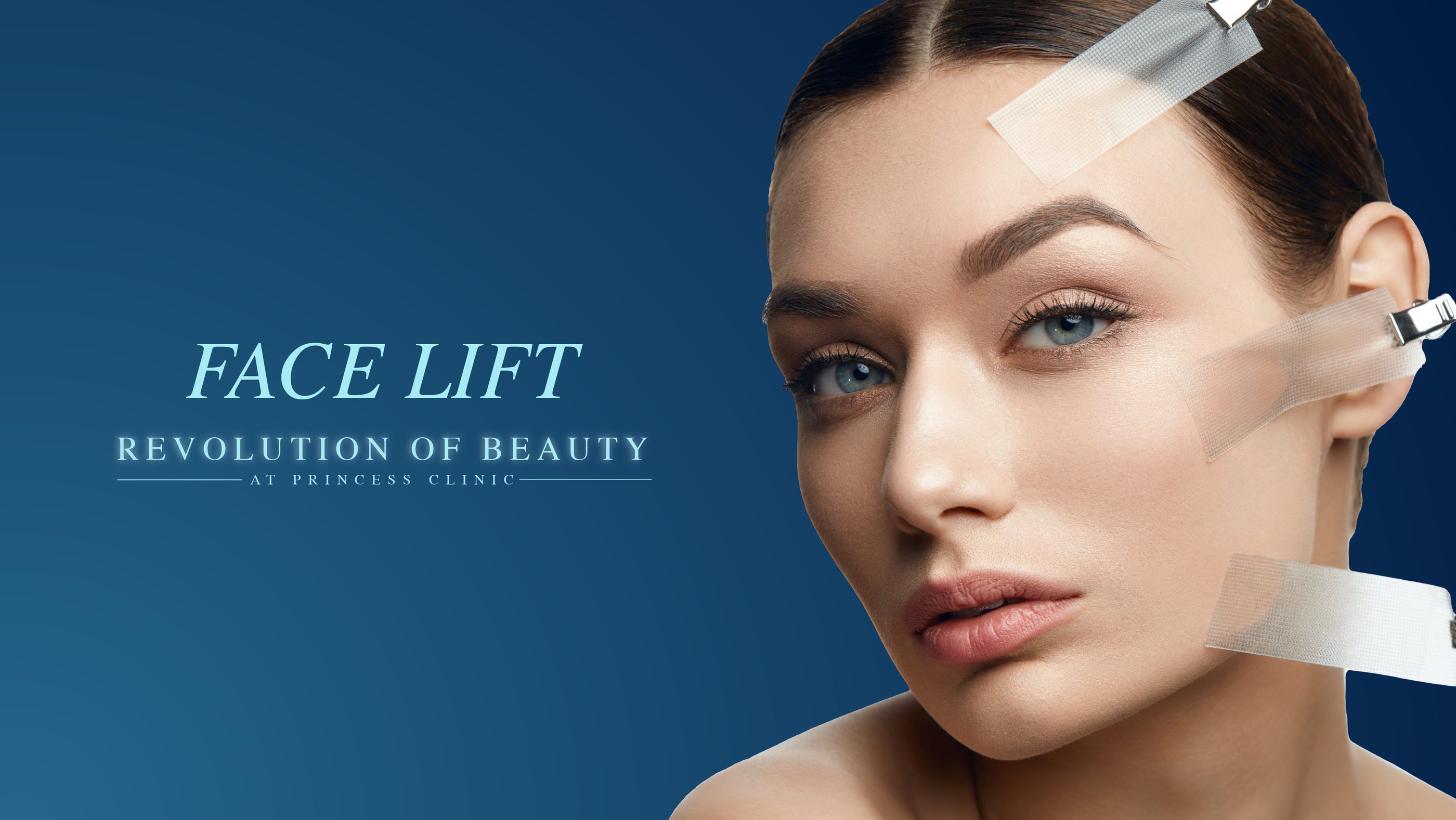
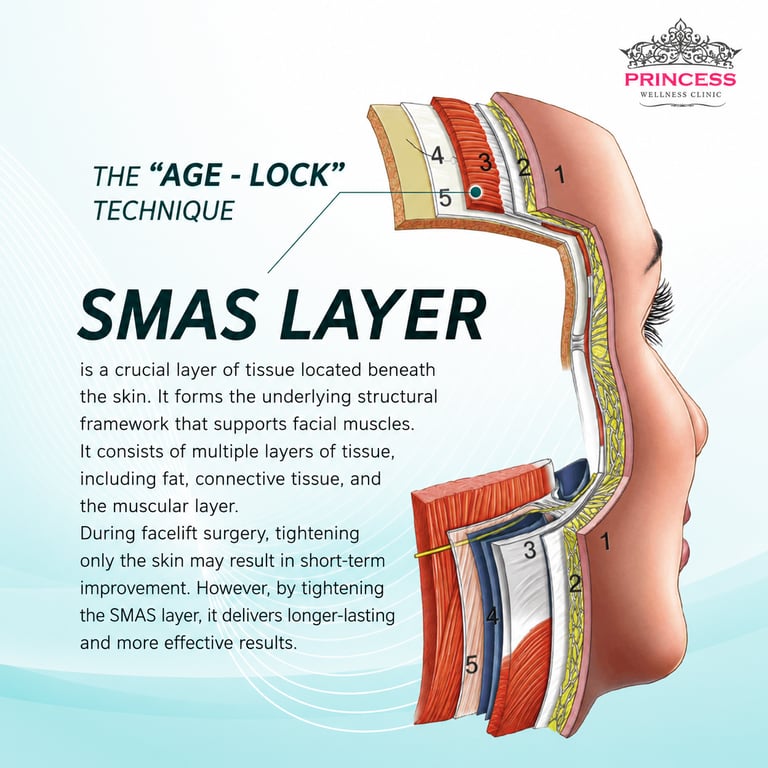
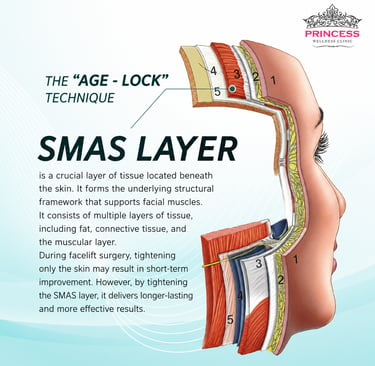
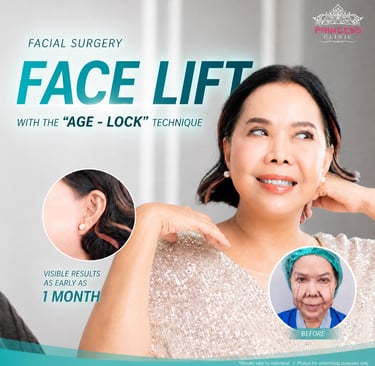
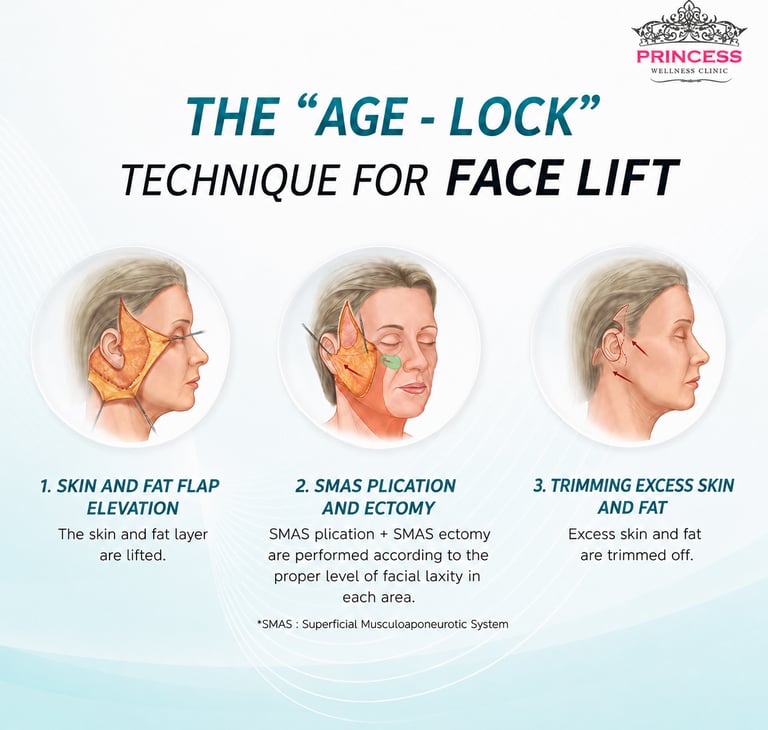
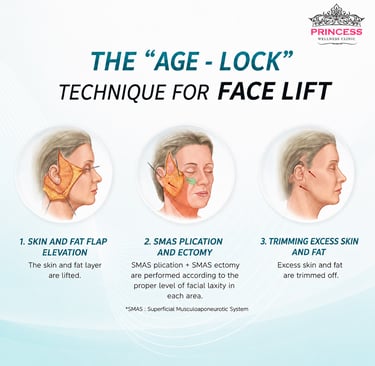
A facelift, also known as rhytidectomy, is a surgical procedure designed to improve facial contours and address skin laxity caused by the natural aging process. The procedure focuses on repositioning and tightening the SMAS (Superficial Musculoaponeurotic System), a deep structural layer beneath the skin that surrounds and supports the facial muscles.
During a facelift, the surgeon carefully lifts and repositions the deeper facial tissues, including the underlying muscles and fat layers, to restore a firmer and more youthful appearance. Excess skin may also be removed when necessary to further enhance skin tightness and reduce sagging.
A facelift can effectively improve signs of aging in the upper, middle, and lower regions of the face, helping to restore smoother contours, firmer skin, and a naturally rejuvenated appearance.
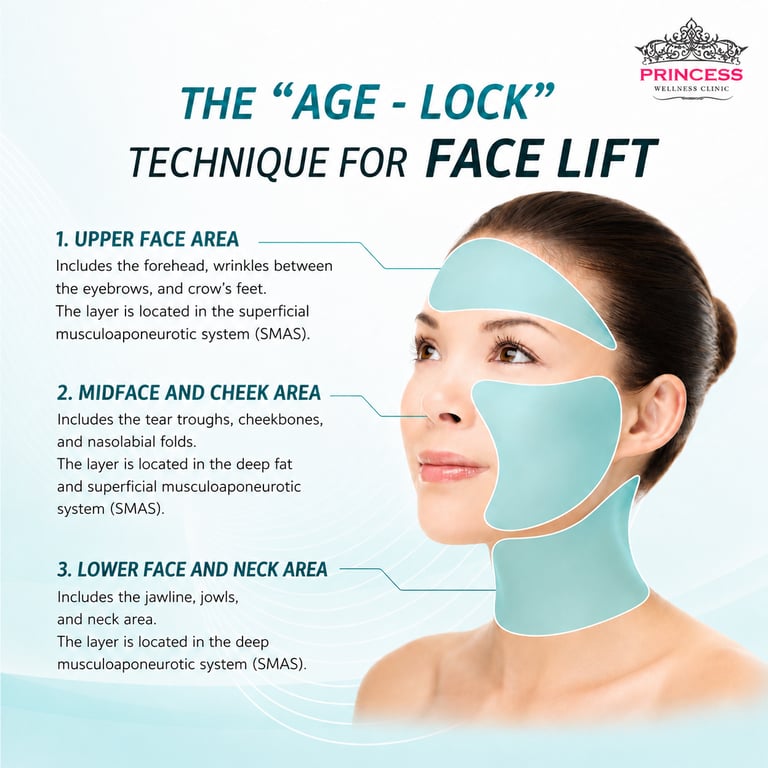
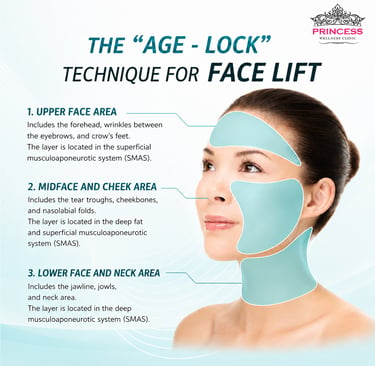
Which Areas Can Be Treated with a Facelift?
A facelift is a surgical procedure designed to lift and tighten sagging skin, helping to reduce wrinkles and restore a more youthful appearance. As the aging process causes facial tissues to lose elasticity and descend over time, facelift surgery can effectively address these concerns in several areas of the face and neck.
Upper Face Lift (Temporal Lift)a
An upper facelift, also known as a temporal lift, focuses on the temple and outer eyebrow areas. This procedure helps elevate drooping brows and sagging skin around the eyes, creating a brighter, more refreshed appearance while reducing a tired or sad-looking expression.
Mid-Face Lift
A mid-face lift targets the area from the lower eyelids to the upper lip. It is designed to reposition and lift the cheeks, improve facial volume, and reduce the appearance of deep nasolabial folds (smile lines), resulting in a smoother and more youthful contour.
Lower Face Lift
A lower facelift focuses on the area below the mouth, including the marionette lines, jawline, and chin. This procedure helps tighten sagging tissues in the lower cheeks, redefine the jawline, and restore a firmer, more sculpted facial profile.
Neck Lift
A neck lift addresses loose skin, excess tissue, and visible wrinkles in the neck area. By tightening and smoothing the skin, the procedure helps create a more youthful, defined neck contour and enhances overall facial harmony.
Who Is a Good Candidate for a Face Lift?
Facelift surgery is ideal for individuals experiencing facial sagging, loss of skin elasticity, and other visible signs of aging that may cause them to look older than their actual age. Suitable candidates typically include:
Individuals who wish to enhance facial contours and achieve a more youthful appearance.
Individuals with drooping eyebrows or sagging upper eyelids.
Individuals experiencing forehead laxity and deep forehead wrinkles.
Individuals with prominent facial folds and sagging cheeks, including nasolabial folds and marionette lines.
Individuals with weakened eyelid muscles that cause the upper eyelids to droop and affect vision.
Individuals with an undefined jawline, jowls, a double chin, or loose skin around the neck.
A comprehensive consultation with a qualified plastic surgeon is recommended to determine the most appropriate treatment plan based on each patient's facial anatomy and aesthetic goals.
What Is an Endoscopic Endotine Face Lift?
An Endoscopic Endotine Facelift is an advanced facial rejuvenation procedure that combines endoscopic surgical techniques with the use of the Endotine® fixation device. The endoscopic approach allows surgeons to visualize underlying tissues with greater precision through smaller incisions, resulting in less trauma, reduced swelling, and a faster recovery compared to traditional techniques.
Endotine® is a specialized bioabsorbable fixation device made from medical-grade bioplastic material. Designed with small, multi-point fixation elements, it securely supports and stabilizes lifted tissues during the healing process. Over time, the material is naturally absorbed by the body, leaving no permanent foreign material behind.
This technique is commonly used to elevate the forehead and brow area, helping to correct:
Drooping eyebrows
Hooded or sagging upper eyelids
Forehead wrinkles and deep expression lines
Early signs of upper facial aging
The Endoscopic Endotine Facelift provides reliable tissue support, high safety standards, and natural-looking, long-lasting results while minimizing visible scarring and recovery time.
Is Face Lift Surgery Safe?
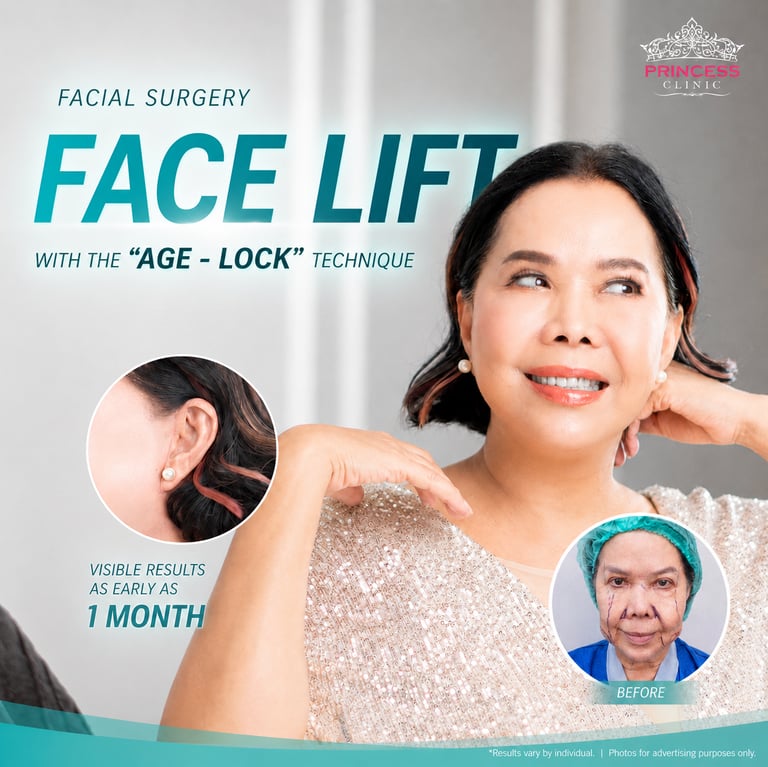
Facelift surgery is generally considered a safe and effective procedure when performed by a qualified and experienced plastic surgeon. However, because facial anatomy contains numerous delicate nerves, blood vessels, and muscle structures, facelift surgery is a highly specialized procedure that requires advanced surgical expertise and precision.
The success and safety of a facelift largely depend on the surgeon's knowledge of facial anatomy, surgical technique, and experience in performing facial rejuvenation procedures. An improperly performed facelift may result in unsatisfactory outcomes, such as inadequate lifting, asymmetry, or unnatural facial contours. In rare cases, injury to facial nerves, infection, bleeding, or other complications may occur.
To minimize risks and achieve optimal results, patients should:
Choose a board-certified plastic surgeon with extensive facelift experience.
Undergo a thorough consultation and facial assessment before surgery.
Select a reputable medical facility that meets high standards of safety and patient care.
Follow all pre-operative and post-operative instructions provided by their surgeon.
When performed by an experienced specialist in an accredited medical facility, facelift surgery can provide natural-looking, long-lasting rejuvenation with a high level of safety and patient satisfaction.
Facelift Procedure: Step-by-Step
Before surgery, the plastic surgeon will perform a comprehensive evaluation of the patient's facial anatomy, skin quality, and degree of facial sagging. This assessment helps determine the most appropriate facelift technique and treatment plan based on the patient's individual needs and aesthetic goals.
Once the surgical plan has been established, the surgeon will discuss the expected outcomes and design a personalized approach to achieve natural-looking facial rejuvenation.
1. Pre-Operative Assessment and Surgical Planning
A detailed consultation is conducted to evaluate facial aging concerns, skin laxity, and overall facial structure. The surgeon will identify the areas requiring correction and determine the most suitable facelift technique.
2. Administration of Anesthesia
On the day of surgery, a board-certified anesthesiologist will administer and monitor general anesthesia throughout the procedure to ensure patient comfort and safety.
3. Incision and Tissue Repositioning
The surgeon will make carefully planned incisions, typically hidden within the hairline and around the natural contours of the ears. The underlying tissues are then gently elevated to access the SMAS (Superficial Musculoaponeurotic System), the deeper structural layer responsible for facial support.
The SMAS layer is lifted, repositioned, and tightened to restore youthful facial contours. Excess skin may be removed to further improve firmness and reduce visible sagging.
4. Closure and Scar Concealment
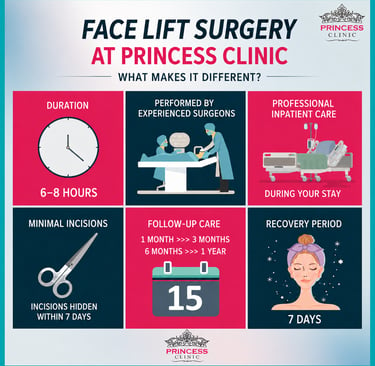
After the tissues have been repositioned, the incisions are meticulously closed using advanced suturing techniques. The resulting scars are strategically concealed within the hairline or behind the ears, making them difficult to detect once healed.
Procedure Duration
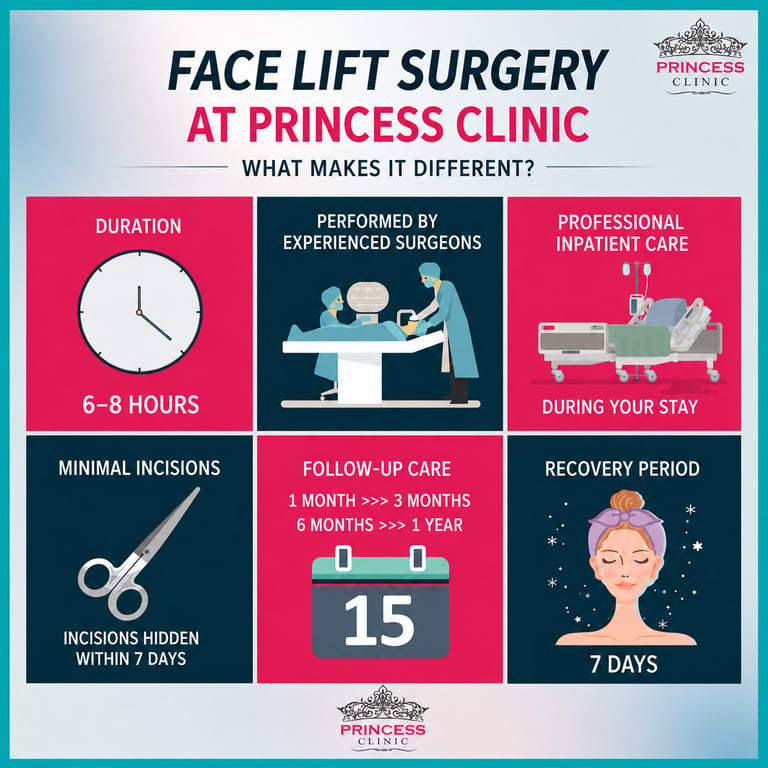
A facelift procedure typically takes approximately 2–3 hours to complete. However, the exact surgical time may vary depending on the treatment area, the extent of correction required, and whether additional procedures are performed simultaneously.
Preparing for Facelift Surgery
Proper preparation before facelift surgery can help minimize the risk of complications and support a smoother recovery. Patients are advised to carefully follow their surgeon’s instructions prior to the procedure.
Pre-Operative Guidelines
1. Provide Your Complete Medical History
Inform your surgeon about any existing medical conditions, current medications, previous surgeries, and any known drug allergies. This information is essential for evaluating your suitability for surgery and ensuring your safety throughout the procedure.
2. Discontinue Blood-Thinning Medications
Patients should avoid blood-thinning medications and antiplatelet drugs for at least 1–2 weeks before surgery, or as directed by their physician. These medications may increase the risk of bleeding during and after the procedure.
3. Avoid Smoking and Alcohol
Smoking and alcohol consumption should be discontinued at least 1–2 weeks before surgery. Both can interfere with circulation, wound healing, and the overall recovery process.
4. Fast Before Surgery
Do not eat or drink anything for at least 6–8 hours before surgery, especially if general anesthesia will be used. Fasting helps reduce the risk of aspiration and anesthesia-related complications.
5. Wear Comfortable Clothing
On the day of surgery, wear loose-fitting clothing or a button-up shirt to make dressing and undressing easier while minimizing friction around the surgical area.
6. Plan Time for Recovery
Patients should arrange adequate time away from work and daily activities to allow for proper rest and recovery after surgery. Most patients are advised to take at least a few days off, depending on the extent of the procedure and their individual healing process.
7. Stop Taking Supplements and Herbal Products
Avoid all dietary supplements, vitamins, and herbal products for at least 1–2 weeks before surgery unless otherwise approved by your surgeon. Certain supplements, such as fish oil, ginseng, garlic extract, and vitamin E, may increase bleeding risk and affect recovery.
Follow Your Surgeon’s Instructions
Every patient is unique, and pre-operative recommendations may vary depending on individual health conditions and treatment plans. Following your surgeon’s instructions carefully is one of the most important steps in achieving a safe procedure and optimal surgical results.
Post-Operative Care After Facelift Surgery
Proper post-operative care is essential for achieving the best possible facelift results and ensuring a smooth recovery. Your surgeon will provide personalized instructions based on your procedure and individual healing process. The following guidelines can help support recovery and minimize complications.
Recovery Tips After Facelift Surgery
1. Apply Cold Compresses
Use cold compresses or cooling gel packs around the surgical area during the first 72 hours after surgery to help reduce swelling and discomfort. Avoid placing ice directly on the skin.
2. Keep Your Head Elevated
Sleep with your head elevated above heart level, using extra pillows or a neck support pillow. This helps minimize swelling and reduces pressure on the surgical area.
3. Avoid Pressure or Trauma to the Face
Protect your face from accidental bumps, pressure, or excessive facial movements for at least one week after surgery. Gentle care is important during the early stages of healing.
4. Limit Strenuous Activities
Avoid exercise, heavy lifting, bending over, and other physically demanding activities until cleared by your surgeon. Increased blood pressure can contribute to swelling, bleeding, and delayed healing.
5. Keep Incisions Dry
Avoid getting the surgical incisions wet for approximately 1–2 weeks, or as directed by your surgeon. Keeping the incision sites clean and dry helps reduce the risk of infection.
6. Follow Wound Care Instructions Carefully
Clean and care for the surgical incisions exactly as instructed by your surgeon. Proper wound care plays a vital role in healing and scar management.
7. Wear Your Compression Garment
If prescribed, wear the facial compression garment or support bandage continuously for 1–2 weeks. This helps reduce swelling, support healing tissues, and maintain facial contours during recovery.
8. Take Medications as Directed
Take all prescribed medications, including antibiotics and pain medications, according to your surgeon’s instructions. Do not stop or change medications without medical advice.
9. Maintain a Healthy Diet
Choose nutritious, well-cooked foods and stay well hydrated during recovery. Avoid foods or substances that may interfere with healing, and follow any dietary recommendations provided by your surgeon.
10. Attend All Follow-Up Appointments
Regular follow-up visits allow your surgeon to monitor your healing progress, remove sutures if necessary, and address any concerns promptly. Attending all scheduled appointments is an important part of the recovery process.
When to Contact Your Surgeon
Contact your surgeon immediately if you experience excessive swelling, severe pain, persistent bleeding, signs of infection, fever, or any unexpected symptoms during recovery.
Following your post-operative instructions carefully can help ensure optimal healing, minimize complications, and maximize the long-term results of your facelift procedure.


Location
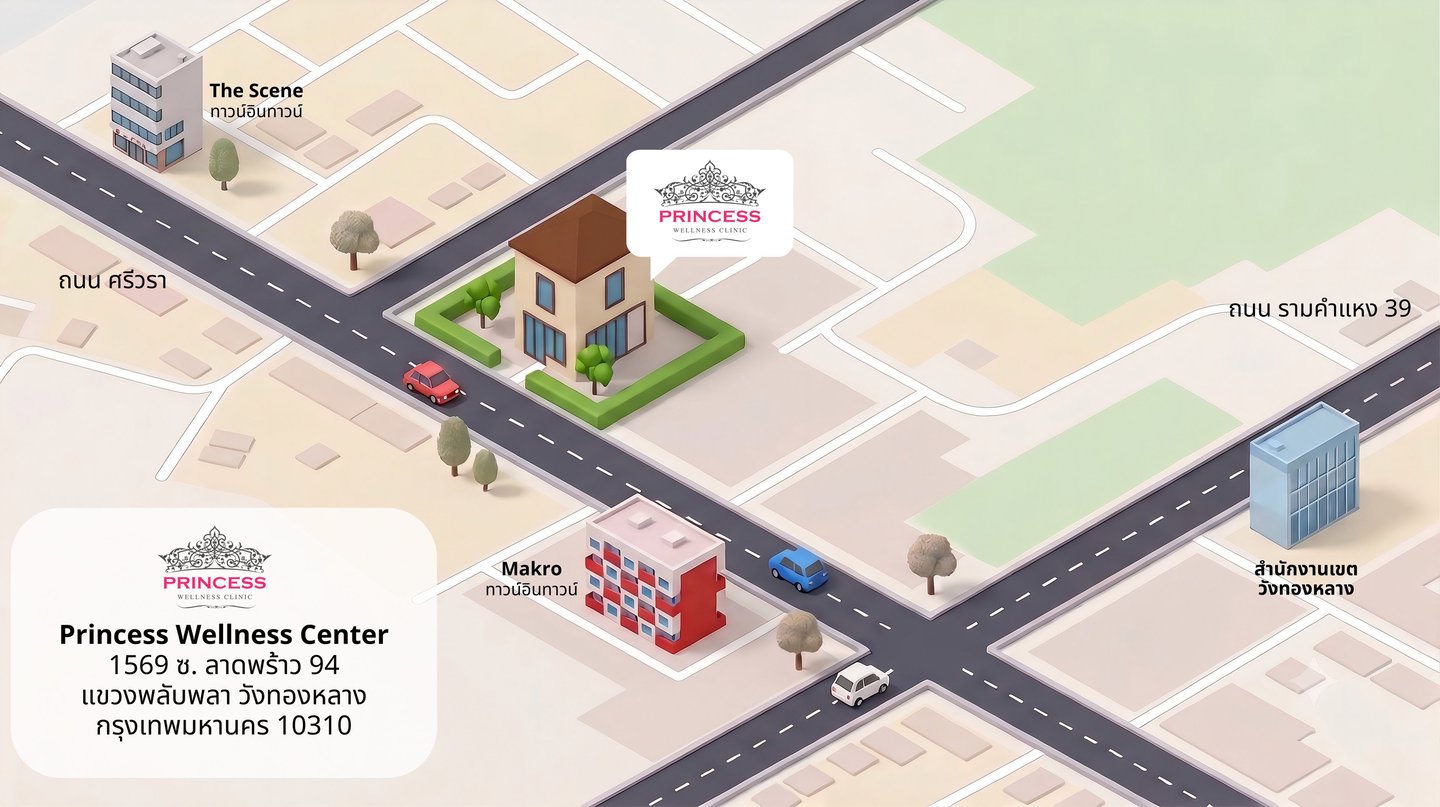
1569 Soi Lat Phrao 94,
Plab Phla Subdistrict, Wang Thonglang, Bangkok 10310
Hours
Mon – Fri : 08:00 AM - 07:00 PM
Sat : 08:00 AM - 07:00 PM
Sunday : 08:00 AM - 07:00 PM PM
Contacts
02-934-4713 , 090-970-5316